
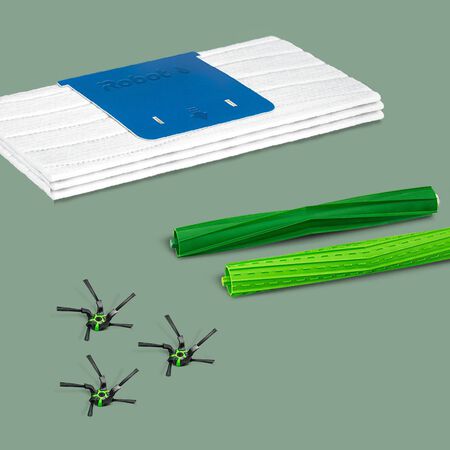

Save on top picks for effortless cleaning
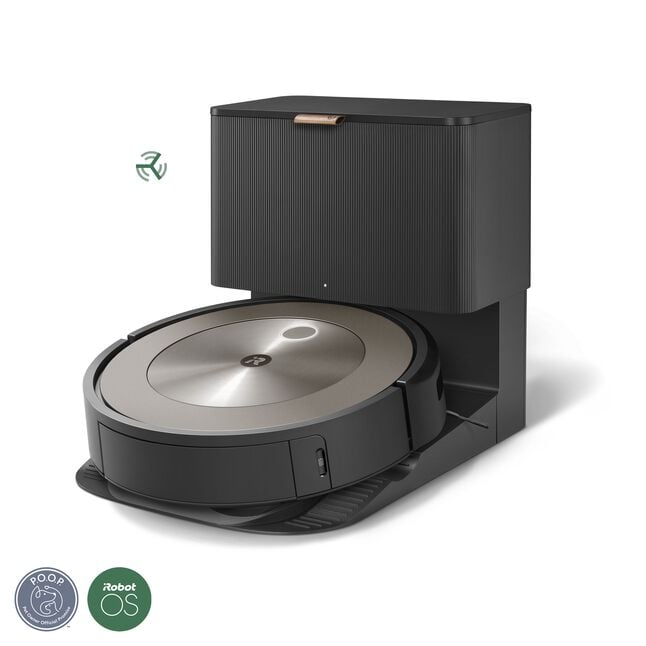
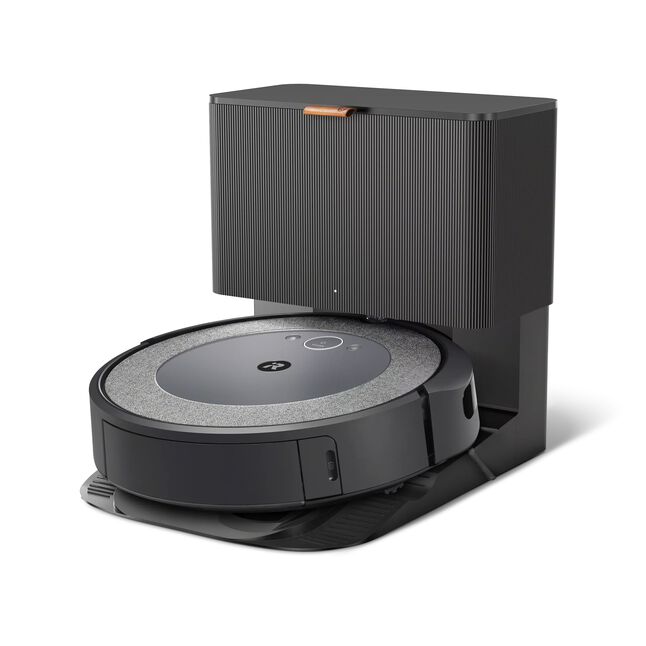
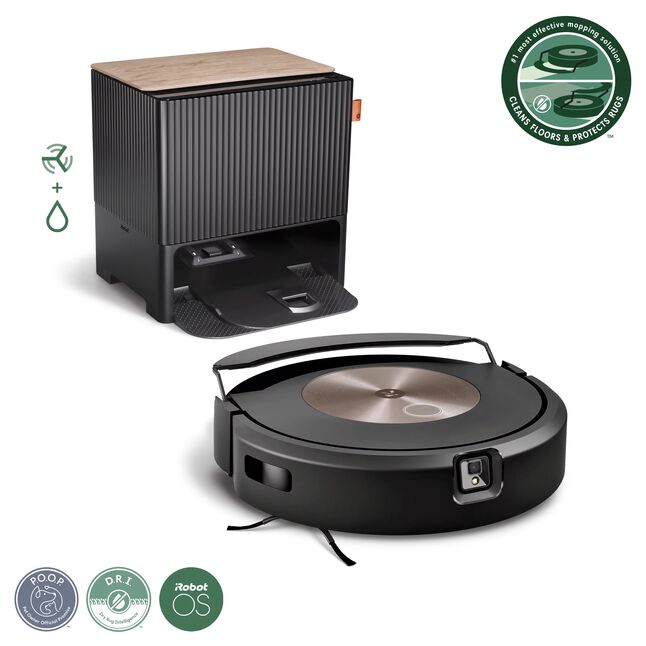

Shop robots that transform your clean routine

What our customers say
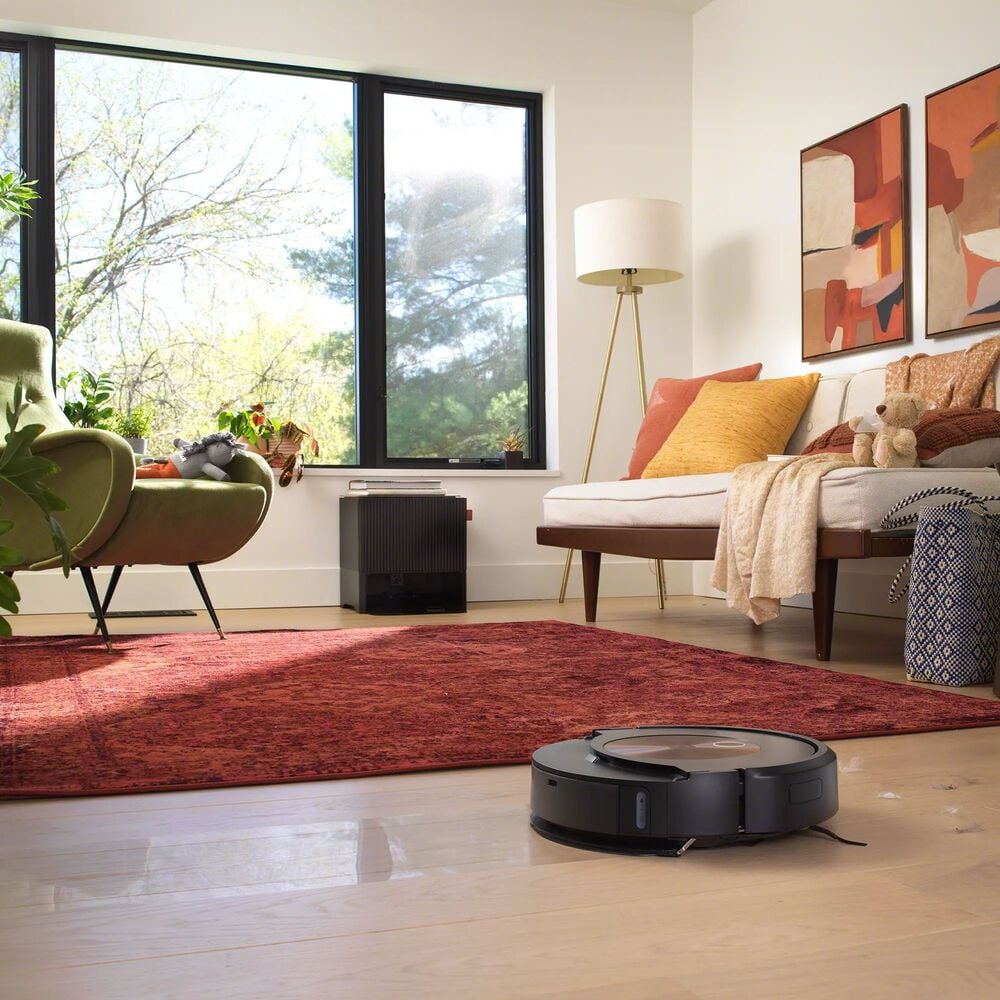
King of Clean Floors
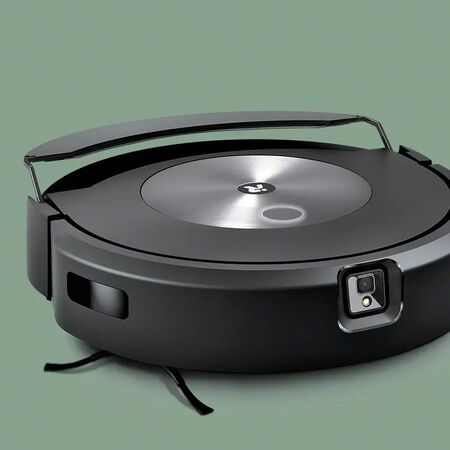
"King of Clean Floors – Overall, I was very impressed with the Roomba Combo j9+. Its pick-up, extra power, dual-brushes and unique pressurized mopping system make it an easy choice if your first concern is having the cleanest possible floors.” - Vacuum Wars (www.vacuumwars.com)
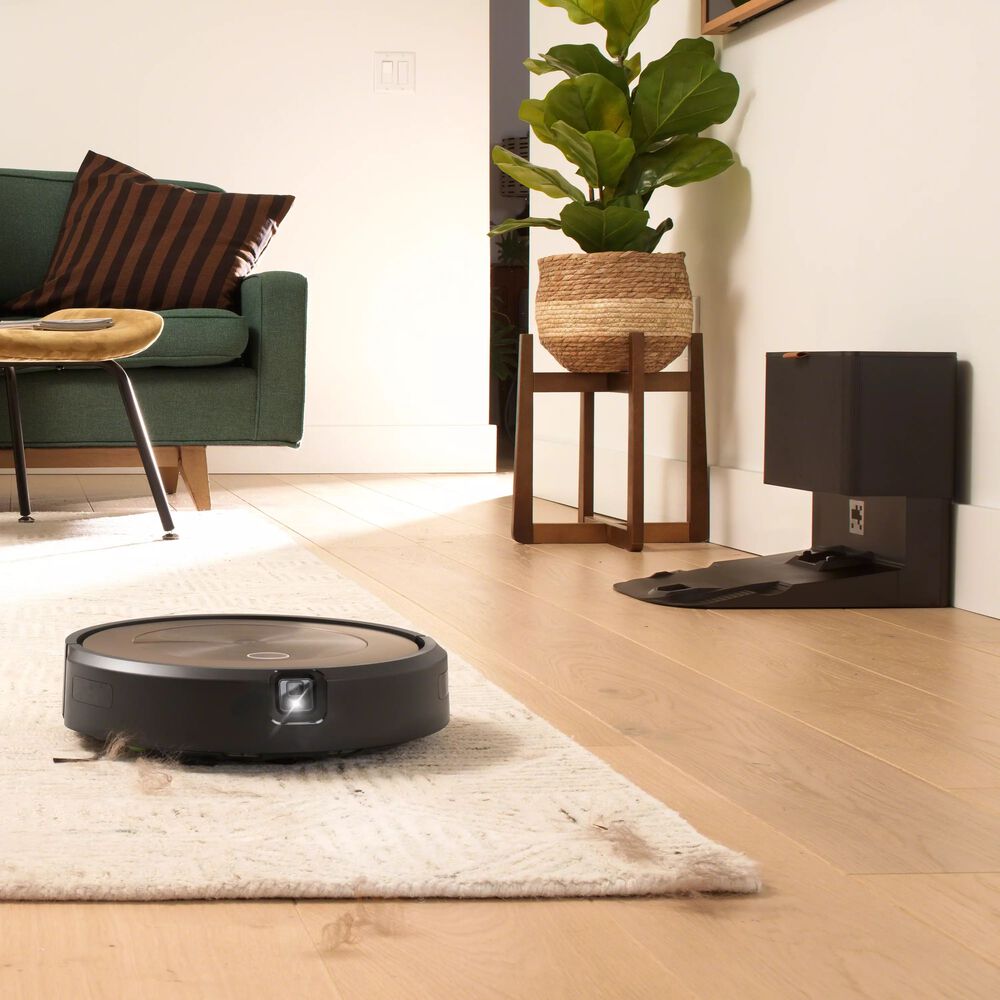
“Life changing”
"This roomba is amazing. It is compatible with Alexa, so I can just ask her to have the roomba clean for me. It mapped out my whole house and I can even ask it to just clean a specific room! I would recommend this to anyone! The suction is great and leave my house spotless!" – Joan, CT* *Submitted as part of a free sample program
"Blown away"
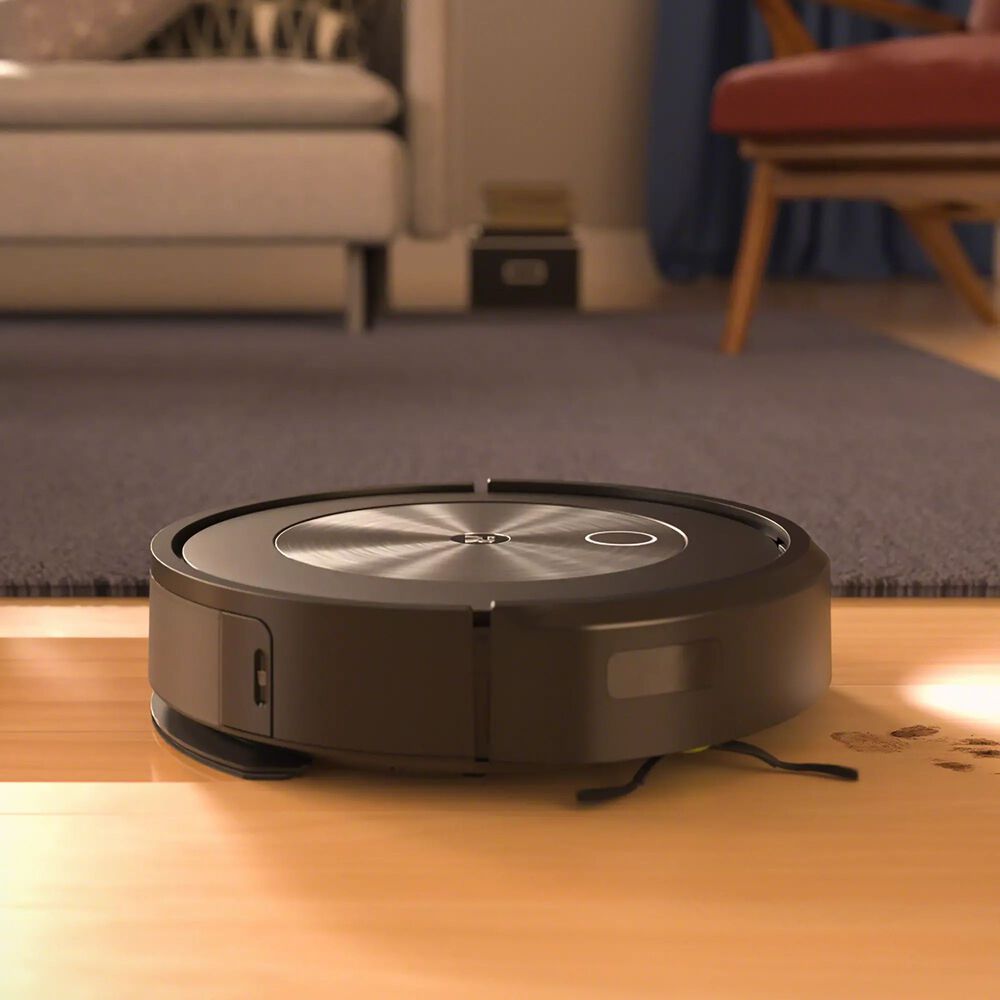
"I'm blown away by how well this thing cleans—it's able to get under and around all sorts of objects, sweeping away all of the dirt and dust in the process!" - Nicole22, OH* *Submitted as part of a free sample program
The latest buzz


¹ Rates are between 0%-36% APR. As an example, a $700 purchase might cost $63.24/mo for 12 months at 15% APR. A down payment may be required. Subject to eligibility check and approval. Payment options depend on your purchase amount. Estimated payment excluded taxes and shipping fees. Paid interest is nonrefundable. Actual terms may vary. Payment options through Affirm are provided by these lending partners: affirm.com/lenders. Visit affirm.com/help for more info.
² Compared to Roomba® i Series robots